Buying guide
Types of aluminium windows: which one suits each room?
“Aluminium window” covers a whole family of designs. They all share the same strengths — slim frames, strength, no rot or warping — but they open differently, seal differently and suit different rooms. Here is a plain-language guide to the main types and where each one makes sense.
Sliding windows
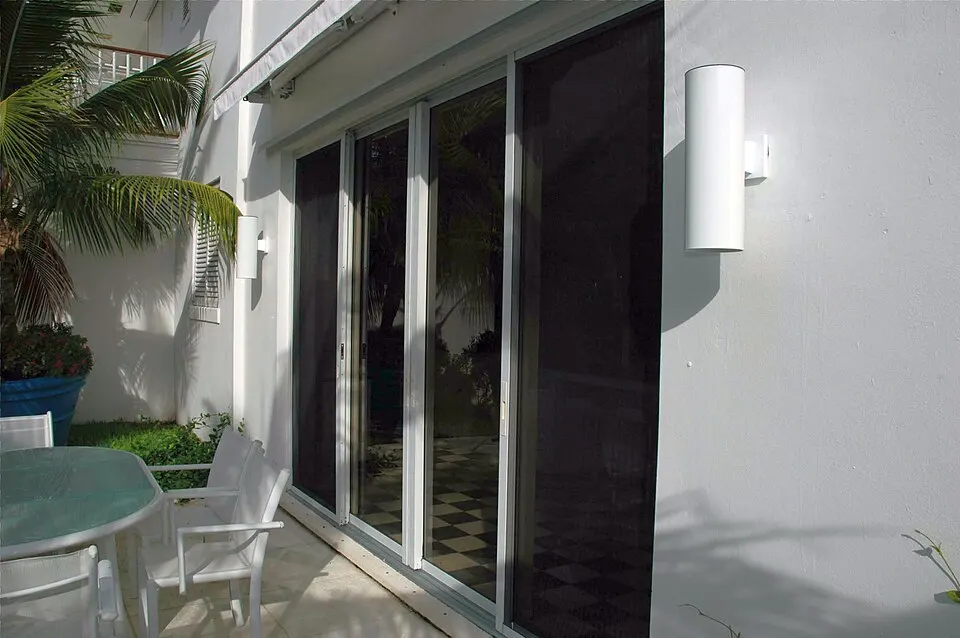
The most common choice in Indian homes. One or more sashes slide past each other on tracks, so nothing swings into the room or out over a balcony.
- Options: 2-track (two sashes), 3-track (often two glass sashes plus a sliding mosquito mesh) and 4-track for very wide openings.
- Good for: living rooms, bedrooms and balconies where you want large glass and no swing space.
- Keep in mind: only part of the opening can be open at once, and a sliding window’s brush seals are not as airtight as a casement’s compression gaskets. A good-quality system with proper interlocks and drainage closes most of that gap.
Casement windows
Hinged at the side and opening like a door, usually outwards. When closed, the sash presses against rubber (EPDM) gaskets, which gives the tightest seal against dust, rain and noise.
- Good for: bedrooms near busy roads, dusty areas and anywhere you want the whole opening to clear for ventilation.
- Keep in mind: they need clear space to swing. Friction-stay hinges hold the sash steady at any angle so it doesn’t bang in the wind.
Top-hung (awning) windows
Hinged at the top and opening outwards at the bottom. Because the open sash acts like a small canopy, you can leave it open during light rain.
- Good for: bathrooms, kitchens and stairwells, and as a small ventilator above a larger fixed pane.
Tilt-and-turn windows
One handle, two ways to open. Turn it one way and the sash tilts in from the top for secure, draught-free ventilation; turn it further and the whole sash swings in like a casement for cleaning or full airflow.
- Good for: apartments on higher floors (you can clean the outside glass from inside), children’s rooms and anywhere you want ventilation with security.
- Keep in mind: the inward swing needs space clear of curtains and furniture.
Fixed and picture windows
Glass that doesn’t open. With no moving parts, the frame can be at its slimmest and the glass at its largest — the best way to frame a view of the hills, a garden or a city skyline.
- Good for: views, double-height spaces and stair halls. Usually combined with an opening sash next to it, above or below, so the room still gets fresh air.
Corner and bay windows
Two panes meeting at a corner — either with a slim aluminium post, or glass-to-glass with no post at all — or a set of windows projecting outwards to create a seat or extra floor space. Both turn an ordinary room into the one everyone wants to sit in, but they need careful structural detailing.
Louvres and ventilators
Small openers or adjustable glass/aluminium louvres for bathrooms, utility areas and toilets, where you want constant air movement with privacy.
Quick guide: which type for which room?
| Room | Usually works best |
|---|---|
| Living room | Large sliding or a fixed picture window with casement openers |
| Bedroom on a busy road | Casement or tilt-and-turn with double glazing |
| Balcony opening | Sliding window or sliding door |
| Kitchen | Casement or top-hung (easy to open over a counter) |
| Bathroom | Top-hung or louvres with frosted glass |
| High-floor apartment | Tilt-and-turn (clean from inside) |
| Hill home with a view | Fixed picture window + casement or tilt-and-turn openers |
Most good homes mix two or three types. The right answer depends on the size of each opening, which way it faces and how exposed it is to wind and rain — which is exactly what we look at when we measure on site.