Buying guide
Window glass explained: toughened, laminated, double glazing, Low-E and acoustic
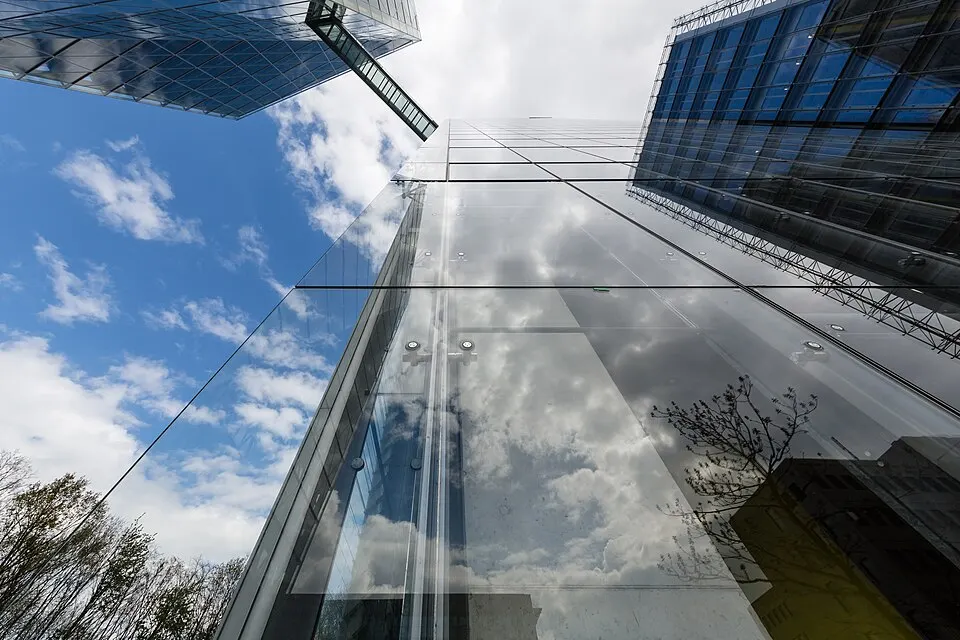
In a modern window, the glass is most of what you see — and much of what decides how hot, noisy or safe the room is. The frame matters, but choosing the right glass for each opening makes the bigger difference. Here are the main options.
Plain float glass
Ordinary clear glass. Inexpensive, but when it breaks it forms large, sharp pieces, so it is best kept to small, high windows away from people.
Toughened (tempered) glass
Float glass that has been heated and rapidly cooled, making it several times stronger. If it does break, it shatters into small, blunt granules instead of sharp shards.
- Use it for: doors, large windows, glass near floor level and anywhere people could walk into it.
- Keep in mind: it must be cut to size before toughening — it can’t be trimmed on site.
Laminated glass
Two sheets bonded with a tough plastic interlayer. If it cracks, the pieces stay stuck to the interlayer and the pane stays in the frame.
- Use it for: security, overhead glazing, balcony balustrades and large panes on upper floors.
- Bonus: the interlayer blocks most UV light (protecting floors and furniture from fading) and cuts noise.
Double glazing (DGU)
A double-glazed unit is two panes separated by a sealed gap filled with dry air or argon. The gap slows the flow of heat and sound through the window.
- Why choose it: cooler rooms in summer, warmer rooms in winter, less condensation, quieter interiors and lower AC and heating bills.
- Good for: bedrooms, rooms facing busy roads, air-conditioned spaces and hill homes with cold winters.
- Combine it: each pane of a DGU can itself be toughened, laminated or coated.
Low-E and solar-control glass
Glass with a microscopically thin coating that reflects heat while letting most daylight through. Solar-control coatings focus on keeping summer sun out; Low-E coatings focus on keeping room heat in. Many modern coatings do some of both.
- Use it for: west- and south-facing walls in the plains, large glass façades and any room that overheats in the afternoon.
Acoustic glass
Laminated glass with a special sound-damping interlayer, often used inside a double-glazed unit with panes of different thickness (so they don’t vibrate at the same frequency).
- Use it for: homes on highways and main roads, near railway lines or under flight paths.
Tinted, reflective and frosted glass
Tinted and reflective glass cut glare and add privacy from outside in daylight. Frosted or acid-etched glass lets light in while blocking the view — the usual choice for bathrooms.
Which glass where?
| Situation | Sensible choice |
|---|---|
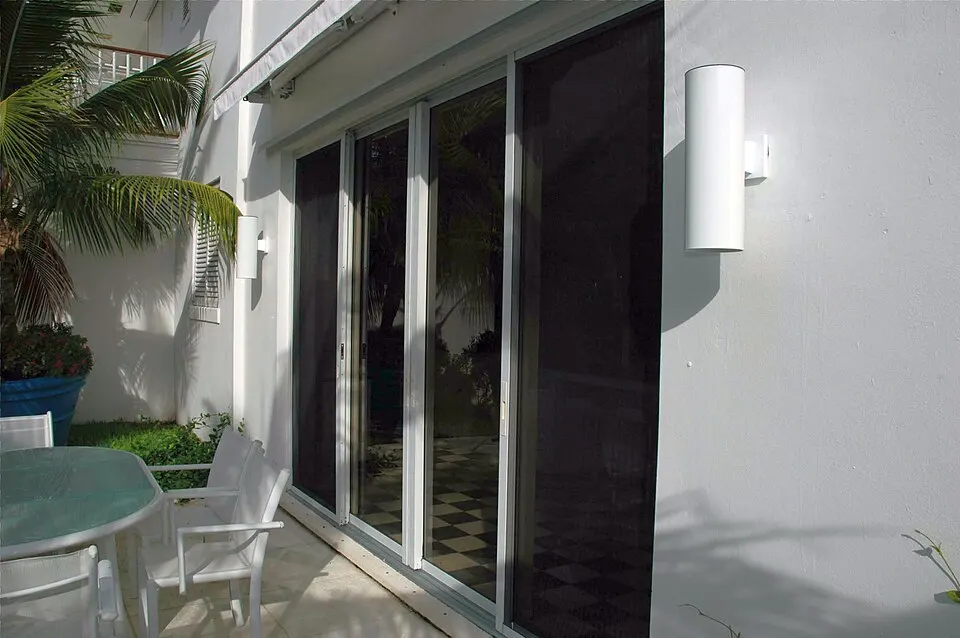
| Sliding or patio door | Toughened, ideally in a double-glazed unit |
| West-facing living room | Double glazing with a solar-control / Low-E coating |
| Bedroom on a busy road | Acoustic laminated glass in a DGU |
| Upper-floor balcony or railing | Laminated (toughened-laminated for railings) |
| Bathroom | Frosted toughened glass |
| Hill home | Double glazing to hold heat in winter |
The right specification depends on the size of the pane, its height above ground, which way it faces and local wind loads, so treat this as a starting point. We specify glass per opening in every quote.